
An Injury Is Keeping You From the Activities You Enjoy.
Let's Find Out What's
Limiting Your Recovery.
Whether symptoms began with a sudden injury or developed gradually from training, repetitive loading, or overuse, our first goal is to understand what may be contributing before discussing the most appropriate next steps.
Serving Raynham, MA and Southeastern Massachusetts.
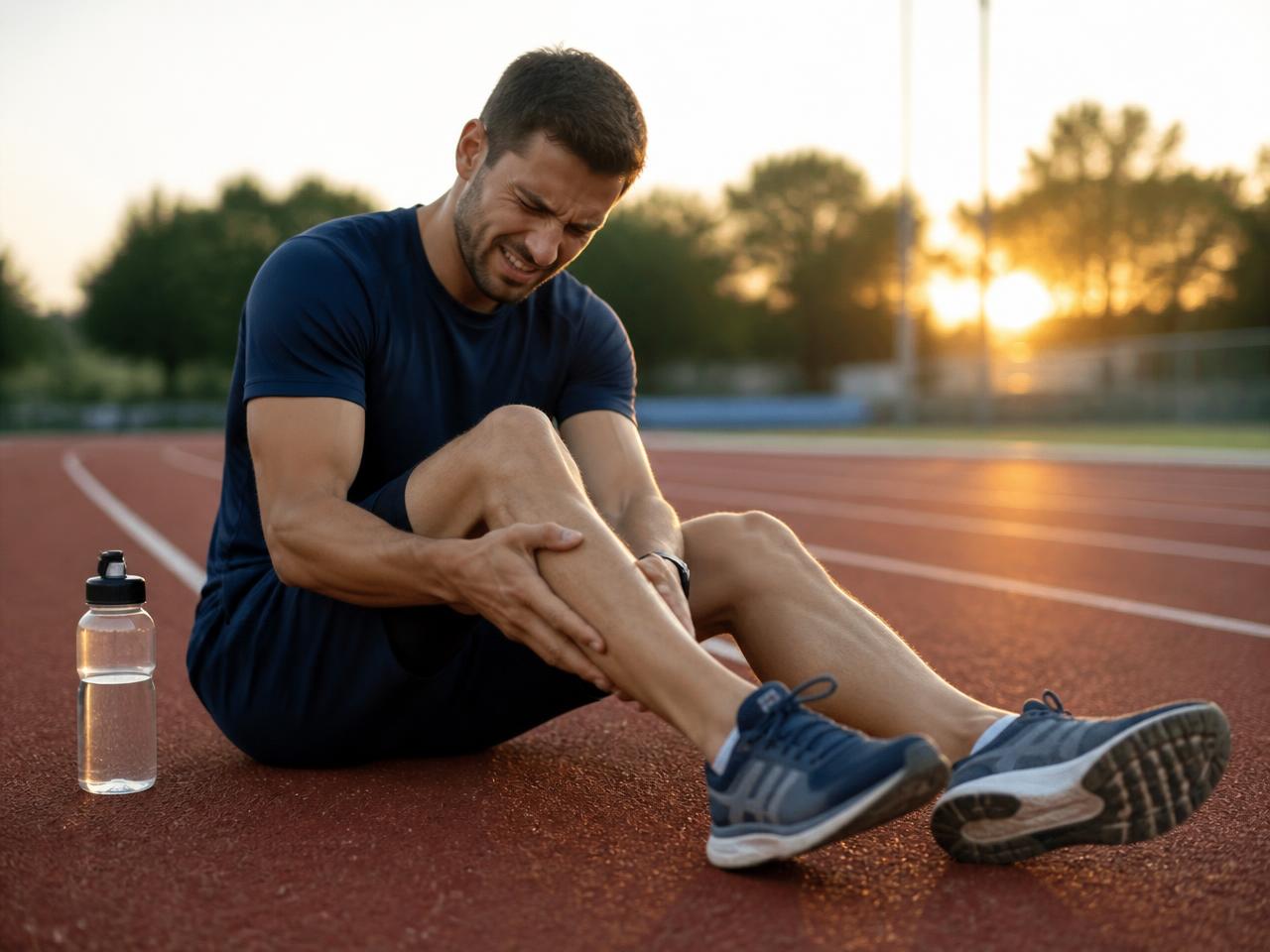
What Could Be Contributing to Your Sports Injury?
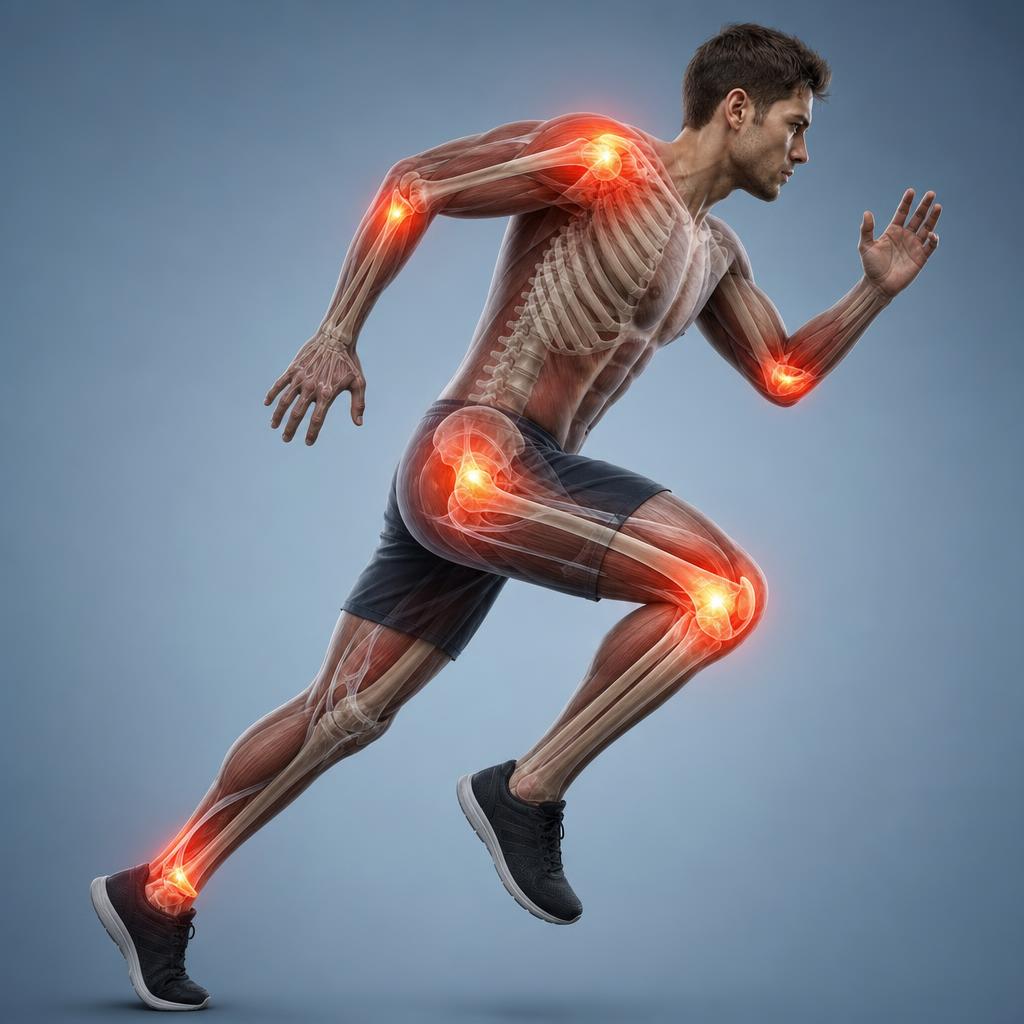
Muscles & Tendons
Strains, tendon overload, repetitive stress, or changes at muscle-tendon attachment sites may contribute to pain and reduced performance.
Ligaments & Joints
Sprains, joint irritation, instability, or previous injury may affect movement, confidence, and tolerance for athletic activity.
Movement & Mechanics
Mobility, strength, coordination, technique, and movement patterns can influence how forces are distributed during training and sport.
Training Load & Recovery
Rapid increases in activity, repetitive loading, inadequate recovery, or returning too quickly after injury may contribute to persistent symptoms.
Different injuries can produce similar symptoms. Identifying the involved structures, movement demands, and recovery factors helps determine what should happen next.
Our Approach
Our goal is to understand the injury pattern, support the body's natural recovery processes, and improve strength, movement, load tolerance, and function through an individualized evaluation and care plan.
How we evaluate patients- Identify contributors
- Support recovery
- Restore function
These are supportive care goals — not a representation that tears are healed, tissue is regenerated, surgery is prevented, or that any return-to-sport timeline is guaranteed.
What you can expect
Personalized Evaluation
A focused evaluation of your injury history, symptom pattern, motion, strength, functional demands, and relevant movement findings.
Honest Recommendations
Recommendations based on your findings, goals, activity demands, and whether our approach appears appropriate for your situation.
All Options Discussed
When appropriate, we may discuss supportive care, rehabilitation, imaging, activity modification, or referral for another type of evaluation.
Focus on Function
The goal is to help you move better and work toward returning to exercise, recreation, sport, or the activities that matter to you.
How long does it take?
Every patient responds differently. The timeline below reflects general patterns and is provided for educational purposes only — not as a prediction of individual results or a return-to-sport timeline.
- 1
First 1–2 weeks
The focus is on the evaluation itself — mapping the injury pattern, motion, strength, and the demands of your sport or activity.
- 2
Weeks 2–6
Care is individualized to what the evaluation found, with attention to comfort, movement quality, and gradual load tolerance.
- 3
Weeks 6–12
Findings are re-checked and recommendations adjusted, including imaging or referral if your response suggests another workup is appropriate.
- 4
3–6+ months
Attention shifts to strength, mechanics, and training habits that support ongoing activity and reduce repeat overload.
Hear From Patients Who Wanted to Get Back to Doing What They Love
Patients describe their own experiences with movement, strength, confidence, and returning toward the activities they enjoy.
The individuals featured are sharing their personal experiences. Individual responses to care vary, and these experiences should not be interpreted as a guarantee or representation that another patient will experience the same or similar results.
Answers
An Injury Is Keeping You From the Activities You Enjoy. questions we hear most
Straight answers to what patients ask before their first visit. Don't see yours? Call us — we're happy to talk it through.
Ready to Take the Next Step?
If an injury is limiting your training, exercise, recreation, work, or everyday activity, we'd be happy to evaluate what may be contributing and discuss whether our approach — or another appropriate option — makes sense for you.
Related: Knee pain · Shoulder pain · Rotator cuff injuries · Tennis & golfer's elbow · Achilles tendinopathy · Plantar fasciitis · Hip pain · Low back pain · Neck pain · Wrist & hand pain · Our approach · Patient stories
Important information: Information on this page is provided for general educational purposes and is not intended to diagnose, treat, cure, reverse, or prevent disease or injury. Sports-related symptoms can have many possible causes, and some injuries may require imaging, orthopedic evaluation, urgent medical care, or another type of referral. Recommendations are made only after an individualized evaluation and when clinically appropriate. No specific outcome or return-to-sport timeline is guaranteed, and individual responses to care vary.