
Low Back Pain
Understand the Source.
Explore Your Options. Move Forward.
Low back pain can come from many different structures and contributing factors. Our first step is understanding what may be contributing to your symptoms and the factors that may be affecting your movement, function, and ability to recover.
Serving Raynham, MA and Southeastern Massachusetts.

What Could Be Contributing to Your Low Back Pain?
Low back pain is a symptom — not a diagnosis. Different structures and factors can contribute to similar symptoms. Depending on the individual, these may include:
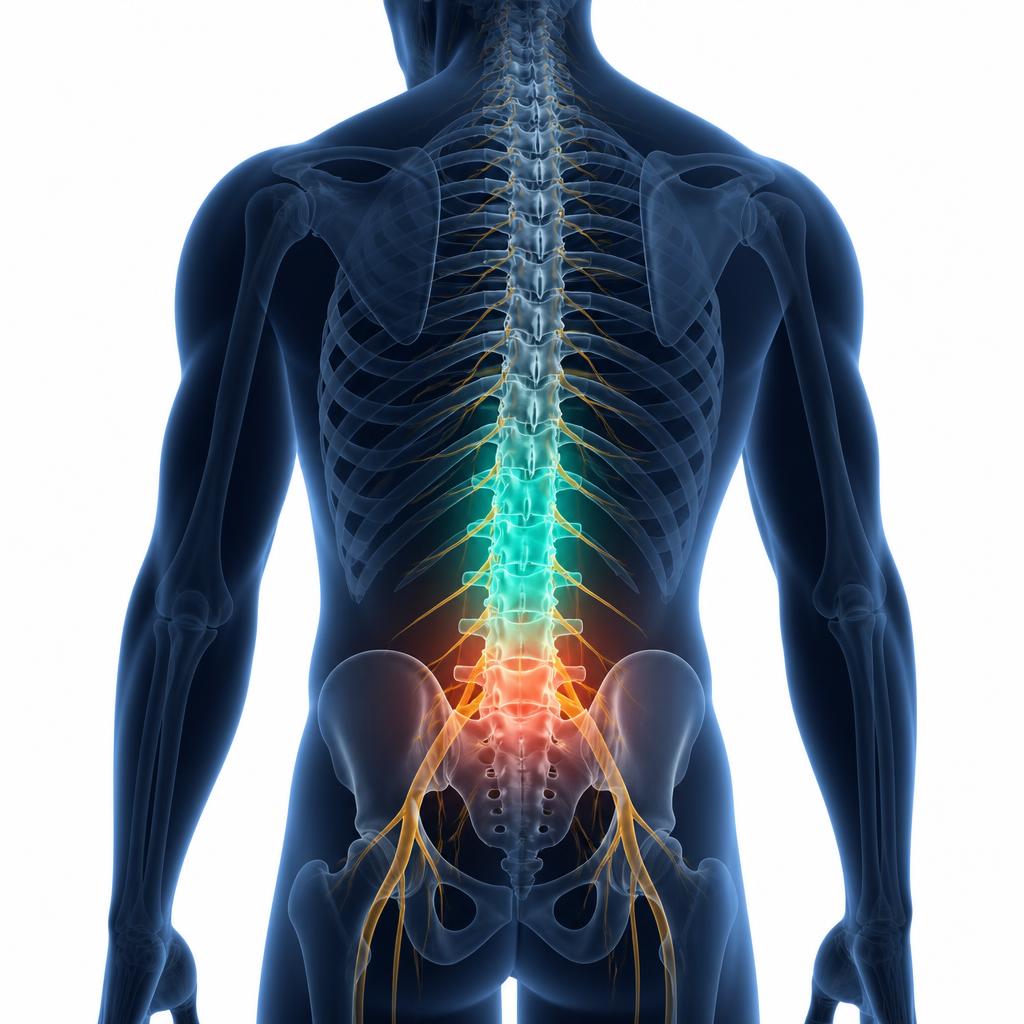
Disc & Joint Changes
Age-related or degenerative changes in the discs and spinal joints may contribute to stiffness, reduced mobility, or discomfort.
Muscles & Soft Tissues
Strain, tension, deconditioning, or irritation involving muscles and connective tissues can affect comfort and movement.
Sacroiliac & Pelvic Mechanics
The sacroiliac joints, pelvis, and surrounding structures can influence how forces are transferred through the low back.
Nerve Irritation
Irritation or sensitivity involving spinal nerves may contribute to pain that stays in the back or travels into the buttock or leg.
Movement & Other Factors
Strength, mobility, repetitive loading, prior injury, sleep, stress, inflammation, and overall health may all influence symptoms.
That is why we do not begin by recommending a procedure. We begin by evaluating you.
Our Approach to Low Back Pain
We focus on three key areas that can help support your body's natural recovery processes and improve function.
Address Irritation & Inflammation
Persistent irritation and inflammation can interfere with comfort and normal recovery. We look for factors that may be contributing to the problem.
Support the Recovery Environment
Recovery depends on more than the painful area alone. We consider nutrition, metabolic health, tissue support, and other individual factors when appropriate.
Restore Function
Strength, mobility, coordination, and gradual return to activity help the low back handle everyday demands and support longer-term function.
Our goal is to create the best possible environment for recovery and function — not to promise that a particular procedure will repair or regenerate damaged tissue.
What you can expect
- 1
A Focused Evaluation
We begin with your history, symptoms, goals, and a focused examination to better understand what may be contributing to your low back pain.
- 2
An Individualized Discussion
We explain what we find, discuss reasonable options, and help you understand which next steps may or may not fit your situation.
- 3
A Plan Built Around Function
When care is appropriate, recommendations are tailored to the individual with the goal of supporting mobility, function, and the body's natural recovery processes.
How long does it take?
Every patient responds differently. The timeline below reflects general patterns and is provided for educational purposes only — not as a prediction of individual results.
- 1
First 1–2 weeks
Early care focuses on calming irritation and identifying activities and positions that are aggravating symptoms.
- 2
Weeks 2–6
Many patients notice small changes first — easier movement, fewer flare-ups, better sleep. Gentle mobility and strengthening work begins.
- 3
Weeks 6–12
Function and tolerance for sitting, standing, and lifting often continue to change as strength and coordination improve.
- 4
3–6+ months
Progress continues beyond the last visit, with the focus on maintaining function and returning to the activities that matter most to you.
Real Patient Experiences
Patients regularly share what their care at Regenerative Medicine of Raynham has been like. Low back pain video stories are being added — in the meantime, you can watch experiences from across our practice.
Patient experiences are individual and are not a guarantee or prediction of results. Outcomes vary based on the individual, diagnosis, health status, and other factors.
Answers
Low Back Pain questions we hear most
Straight answers to what patients ask before their first visit. Don't see yours? Call us — we're happy to talk it through.
Not Sure What's Contributing to Your Low Back Pain?
The first step is understanding the problem — not choosing a procedure. Request an evaluation to discuss your symptoms, goals, and possible next steps.
Related: Our approach · Sciatica · Herniated disc · Explore our treatment and support options
Important information: Information on this page is for educational purposes only and is not intended to diagnose, treat, cure, or prevent any disease or medical condition. Recommendations are based on an individual evaluation. Not every patient is a candidate for every service or procedure, and individual outcomes cannot be predicted or guaranteed.