
Trouble Breathing Through Your Nose or Sleeping Quietly?
Let's Find Out What May
Be Contributing.
Chronic nasal congestion, difficulty breathing through your nose, mouth breathing, snoring, and disrupted sleep can have different causes. Our first goal is to understand what may be contributing — and whether another type of evaluation may be appropriate.
Serving Raynham, MA and Southeastern Massachusetts.

What Could Be Contributing?
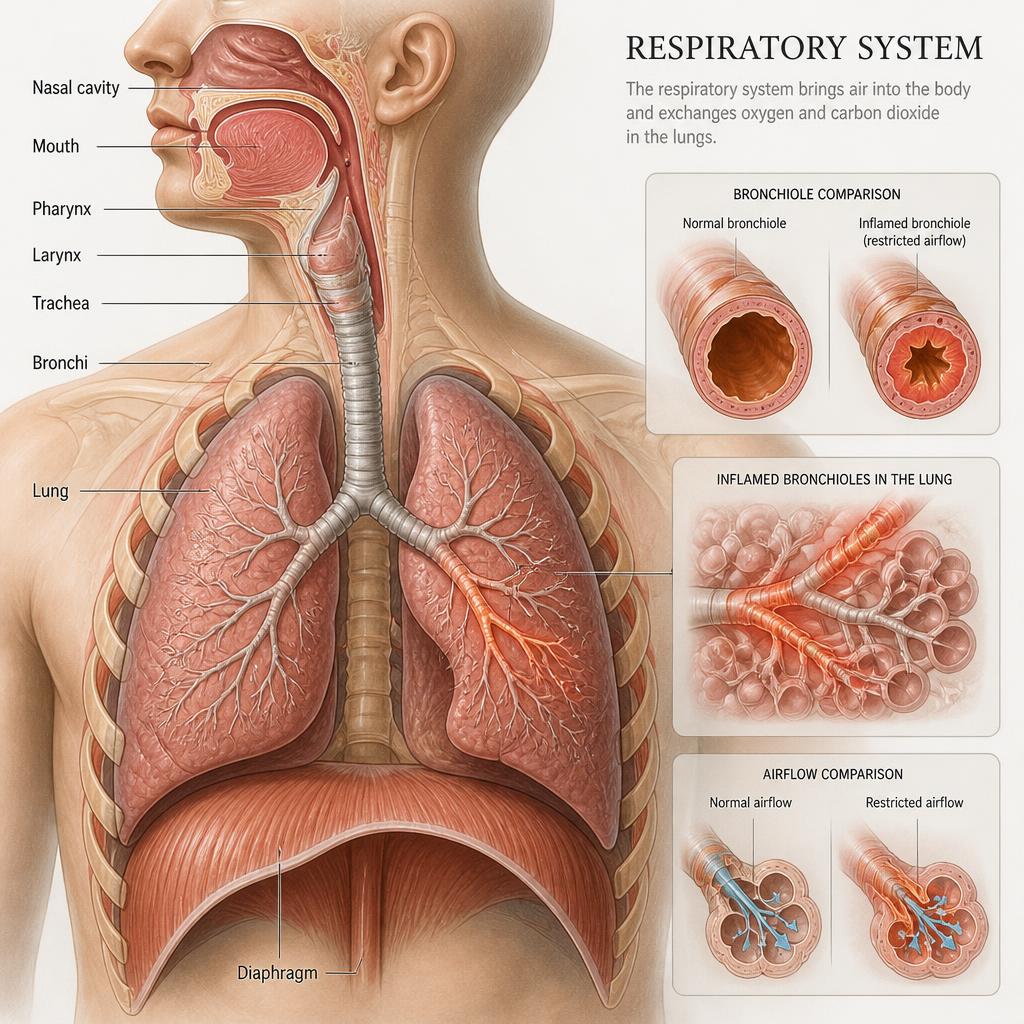
Nasal Obstruction & Congestion
Persistent congestion, irritation, allergies, or structural blockage may make nasal breathing more difficult.
Nasal & Cranial-Facial Structure
A deviated septum or other structural features may influence airflow through the nasal passages.
Mouth Breathing & Snoring
Restricted or uncomfortable nasal breathing may contribute to mouth breathing or snoring, particularly during sleep.
Sleep-Related Breathing Concerns
Loud snoring, gasping, witnessed pauses in breathing, or excessive daytime sleepiness may warrant evaluation for obstructive sleep apnea.
Snoring isn't always just snoring. Loud persistent snoring, witnessed pauses in breathing, gasping or choking during sleep, and significant daytime sleepiness can be associated with obstructive sleep apnea. Because sleep apnea is a potentially serious medical condition, patients with concerning symptoms should be appropriately evaluated by a qualified medical or sleep professional.
Our Approach
Our evaluation considers nasal airflow, breathing patterns, relevant cranial-facial findings, previous injuries, and other factors that may contribute to difficulty breathing comfortably through the nose. When appropriate, Cranial Facial Release (CFR) may be discussed as one component of an individualized care plan.
How we evaluate patients- Evaluate contributing factors
- Support nasal & cranial-facial function
- Improve breathing & function
These are supportive care goals. We do not diagnose, treat, cure, or prevent obstructive sleep apnea, and no approach here is represented as opening an obstructed sleep airway or replacing prescribed sleep-apnea care.
Where Does Cranial Facial Release Fit?
Cranial Facial Release (CFR) is a specialized balloon-assisted endonasal cranial technique involving brief balloon inflation within the nasal passages. When appropriate, CFR may be discussed as a supportive option related to nasal and cranial-facial function after an individualized evaluation — not as a treatment for obstructive sleep apnea or a correction of a deviated septum.
Learn about Cranial Facial ReleaseWhat you can expect
Personalized Evaluation
A review of your breathing concerns, nasal airflow, symptom patterns, sleep-related concerns, history, and relevant cranial-facial findings.
Look Beyond One Cause
Congestion, nasal breathing difficulty, mouth breathing, and snoring do not necessarily have the same underlying explanation.
Honest Recommendations
CFR or other supportive approaches are discussed only when your evaluation suggests they may be appropriate.
Referral When Appropriate
When symptoms raise concern for obstructive sleep apnea or another condition requiring medical evaluation, we'll recommend the appropriate next step.
How long does it take?
Every patient responds differently. The timeline below reflects general patterns and is provided for educational purposes only — not as a prediction of individual results.
- 1
First 1–2 weeks
The focus is on the evaluation itself — breathing concerns, nasal airflow, symptom pattern, sleep-related concerns, and cranial-facial findings.
- 2
Weeks 2–6
Care is individualized to what the evaluation found, and referral is arranged when symptoms suggest a medical or sleep evaluation is appropriate.
- 3
Weeks 6–12
Findings are re-checked and recommendations adjusted based on how your comfort and breathing are responding.
- 4
3–6+ months
Attention shifts to the habits and follow-up that support ongoing nasal comfort and function.
Patient stories
Hear From Patients Who Were Once Where You Are
Finally Sleeping Through the Night After CFR
No More Migraines After CFR
Multiple Head Injuries Changed His Life—Until CFR
Patient Experience Disclaimer: The individuals featured are sharing their personal experiences. Individual responses to care vary, and these experiences should not be interpreted as a guarantee or representation that another patient will experience the same or similar results.
Answers
Trouble Breathing Through Your Nose or Sleeping Quietly? questions we hear most
Straight answers to what patients ask before their first visit. Don't see yours? Call us — we're happy to talk it through.
Ready to Take the Next Step?
If nasal obstruction, difficulty breathing through your nose, mouth breathing, or snoring is affecting your comfort or quality of life, we'd be happy to evaluate what may be contributing and discuss whether our approach — or another appropriate evaluation — makes sense for you.
Related: Cranial Facial Release (CFR) · Headaches · Vertigo & dizziness · Neck pain · Our approach · Patient stories
Important information: Information on this page is provided for general educational purposes and is not intended to diagnose, treat, cure, reverse, or prevent disease. Nasal obstruction, snoring, and disrupted sleep can have many possible causes. Obstructive sleep apnea is a medical condition requiring appropriate diagnosis and management, and Cranial Facial Release is not represented here as a treatment or cure for OSA. Recommendations are made only after an individualized evaluation and when clinically appropriate. No specific outcome is guaranteed, and individual responses to care vary.