
Shoulder Pain
Chronic Shoulder Pain: Tendonitis vs Tendinosis — Why It Matters in Raynham, MA
April 19, 2026
Chronic shoulder pain isn’t always caused by inflammation.
If you’ve searched for answers or even looked up a “shoulder pain doctor near me,” you’re likely trying to understand why your pain keeps coming back—and what can actually help.
Many people dealing with ongoing shoulder symptoms are experiencing underlying tendon changes and may begin exploring shoulder and joint pain treatment in Raynham, MA before considering more advanced or specialized approaches.
Many patients searching for “shoulder pain doctor near me” are often trying to understand why their symptoms keep returning despite rest or prior treatment.
Those searching for answers are often looking for long-term solutions—not just temporary relief.
Shoulder Pain in Raynham, MA: What You Should Know
Tendonitis vs Tendinosis in the Shoulder: What’s the Difference?
One of the most commonly misunderstood distinctions in shoulder pain is the difference between tendonitis and tendinosis.
Understanding whether a condition is driven by inflammation or degeneration can significantly influence how it responds to treatment.
What Is Tendonitis?
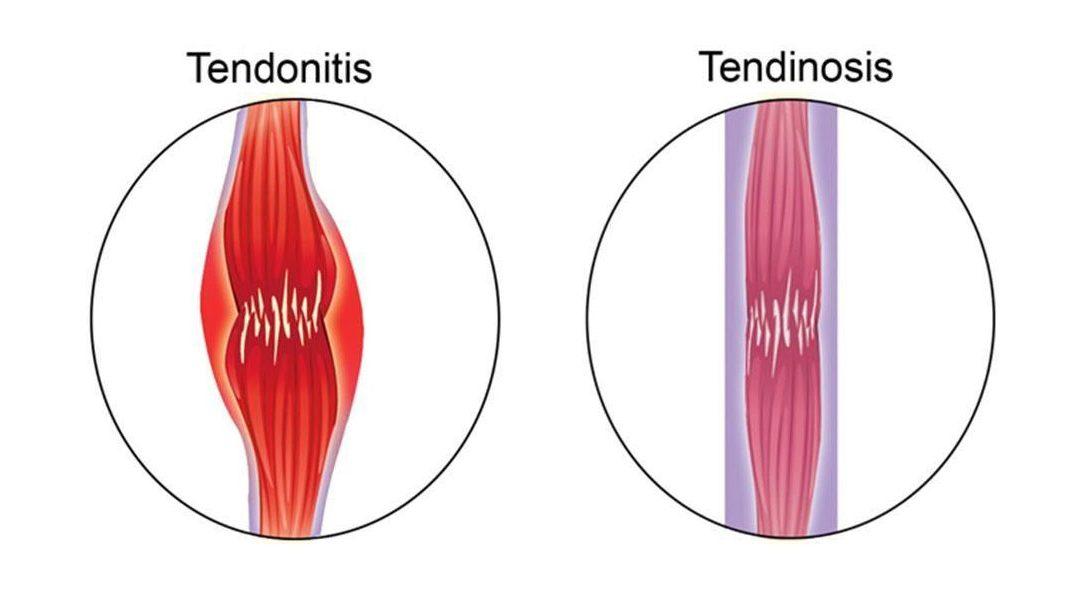
Tendonitis refers to acute inflammation of a tendon.
This type of condition typically develops:
After a sudden increase in activity
With repetitive use over a short period
In the early stages of injury
Because inflammation is present, treatments that focus on reducing inflammation—such as rest, activity modification, or anti-inflammatory approaches—may help relieve symptoms.
What Is Tendinosis?
Tendinosis is a chronic degenerative condition of the tendon that develops over time.
It is often associated with:
Repetitive stress
Incomplete healing from prior injury
Age-related changes in tendon structure
Rather than inflammation, tendinosis involves:
Disorganization of collagen fibers
Micro-tearing within the tendon
Reduced structural integrity
In simpler terms, this condition reflects breakdown of tendon tissue, not active inflammation.
Why This Distinction Matters for Shoulder Pain
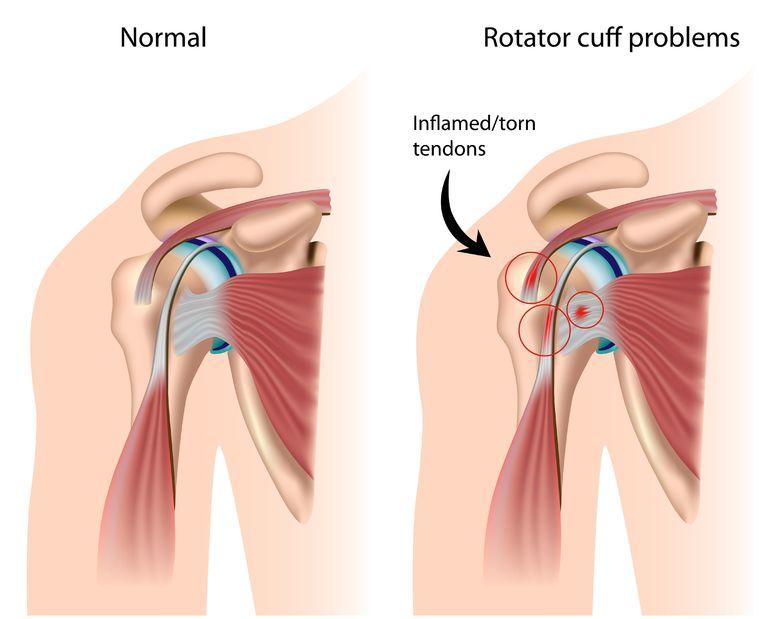
Understanding whether a condition is inflammatory or degenerative can influence how it responds to treatment.
In cases where inflammation is the primary issue, treatments that reduce inflammation may provide meaningful relief.
This helps explain why some individuals experience ongoing symptoms, as chronic conditions often involve structural tendon changes rather than just inflammation—similar to what is explained in the difference between tendonitis and tendinosis.
A More Complete View of Chronic Shoulder Conditions
Many shoulder conditions exist along a spectrum.
Some individuals may experience:
Degenerative tendon changes
Intermittent inflammation
Mechanical or movement-related issues
Because of this, evaluating the stage and nature of the condition is an important part of determining the most appropriate next steps.
Understanding Shoulder Pain in Raynham, MA and Nearby Areas
For individuals in Raynham, MA and surrounding communities, shoulder pain is a common reason people begin searching online for answers—often using phrases like “shoulder pain treatment near me.”
While these searches can help identify nearby options, understanding what type of condition may be present is just as important as finding care close to home.
Many patients dealing with persistent symptoms eventually explore options for shoulder and joint pain treatment in Raynham, MA when initial approaches do not provide lasting relief.
What Patients Should Consider
If you are dealing with ongoing shoulder pain, it may be helpful to ask:
Is this condition inflammatory, degenerative, or a combination of both?
What is the goal of the recommended treatment?
Is the approach focused on symptom relief, structural support, or both?
Clarity around these questions can lead to better expectations and more effective long-term outcomes.
❓ Frequently Asked Questions
What is the most common cause of chronic shoulder pain?
One common cause is rotator cuff tendinosis, which involves gradual degeneration of the tendon over time rather than acute inflammation.
Does shoulder pain go away on its own?
Some mild cases may improve with rest, but persistent or recurring pain may require further evaluation.
What are non-surgical options for shoulder pain?
Options may include rehabilitation, activity modification, and other approaches depending on the underlying condition.
How do I know if my shoulder pain is serious?
If pain is persistent, worsening, or limiting daily activity, it may be helpful to have it evaluated.
📞 Take the Next Step
If you are dealing with ongoing shoulder pain, limited mobility, or symptoms that keep returning, understanding the cause is the first step toward finding the right solution.
If you would like to better understand your symptoms and what options may be available, you can contact our office to learn more about evaluation and next steps.
📍 Raynham, MA