Burning, Tingling, Numbness in Your Feet? What Most People Are Missing About NeuropathyNew Blog Post
If your hands or feet feel like they’re burning, tingling, numb—or even strangely cold, you’re not imagining it… and you’re not alone.
If you’ve searched for answers or even looked up a “neuropathy doctor near me,” you’re likely not looking for a quick fix—you’re trying to understand what’s actually happening and what your options may be.
Many patients experiencing these symptoms are dealing with underlying nerve dysfunction and may first explore neuropathy treatment in Raynham, MA before considering more advanced or specialized approaches.
Those searching for answers are often looking for long-term solutions—not just temporary symptom relief.
Many patients searching for “neuropathy doctor near me” are trying to understand why these symptoms are happening in the first place.
Neuropathy Symptoms in Raynham, MA: What Burning, Tingling, and Numbness Really Mean
More people across the United States—including right here in Raynham, Taunton, Bridgewater, and surrounding South Shore communities—are experiencing symptoms often described as neuropathy.
But here’s the challenge:
Many people are given a label…
very few are given a clear explanation.
Why These Symptoms Feel So Strange (And So Frustrating)
Your nerves are not all the same.
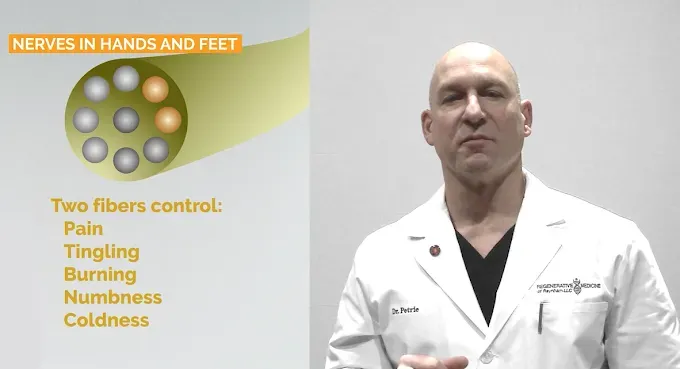
In fact, the nerves in your hands and feet are made up of different fiber types, each responsible for specific sensations:
Small nerve fibers → pain, temperature, burning, tingling
Large nerve fibers → touch, vibration, balance
When these fibers become irritated or damaged, the signals they send can become distorted.
That’s why patients often describe:
Burning or electric sensations
Pins and needles
Numbness or loss of feeling
Hypersensitivity to touch
Cold or “wet” sensations with no clear cause
These symptoms are not random—they reflect how your nerve function is being affected.
A Growing Problem—But Still Misunderstood
Neuropathy is becoming increasingly common.
It’s often associated with:
Diabetes or prediabetes
Chronic inflammation
Metabolic conditions
Age-related changes
Yet despite how widespread it is, many patients are still told:
“Your tests look normal”
“This is something you’ll have to live with”
“We’ll try medication to manage it”
For many people, that’s where the conversation stops.
The Standard Medical Approach
Traditional care plays an important role—but it is largely focused on managing symptoms.
Medications
Patients are commonly prescribed:
Nerve pain medications
Anti-seizure medications
Certain antidepressants used for pain modulation
These can help reduce discomfort, but they typically do not restore nerve function.
Managing Underlying Conditions
Care often focuses on:
Blood sugar control
Lifestyle changes
Slowing progression
Supportive Therapies
Physical therapy
Balance training
These can help maintain mobility—but are primarily supportive.
What If We Looked at the Nerve Itself?
Here’s where the conversation begins to shift.
Nerves rely on a very specific environment to function properly, including:
Healthy blood flow
Oxygen delivery
Balanced inflammation
Proper cellular signaling
When that environment is compromised, symptoms can develop.
But when that environment improves, the body may have the ability to:
Improve nerve signaling
Reduce irritation
Support repair of small nerve fibers
Similar to other chronic conditions, understanding how tissues change over time can help explain why symptoms persist. This is similar to how conditions involving tendon degeneration develop, as explained in the difference between tendonitis and tendinosis.
Where Biologics (Sometimes Called “Stem Cell Therapy”) May Fit In
In regenerative medicine, there is increasing focus on biologics—substances derived from the body that may help support natural healing processes.
Rather than targeting a diagnosis directly, these approaches aim to support the environment around the nerve at a cellular level.
This may involve:
Supporting cellular communication
Promoting growth factor activity
Helping regulate inflammation around nerve tissue
The goal is to assist the body’s natural ability to:
Support repair of irritated or damaged nerve fibers
Improve the overall health of the nerve environment
Enhance function at a microscopic level
It’s important to be clear:
This is not a treatment for the disease known as neuropathy.
Instead, it focuses on supporting the body’s inherent ability to adapt and respond to underlying dysfunction.
What This Means for Patients in Raynham, MA
If you’re in Raynham, Taunton, Bridgewater, or the surrounding Bristol County area and you’ve been searching for a “neuropathy doctor near me,” it’s worth knowing:
Not all neuropathy symptoms come from the same cause
Different nerve fibers may be involved
A more detailed, anatomy-based understanding can change the conversation
Many patients in the area also explore options for neuropathy treatment in Raynham, MA when looking for a more complete evaluation of their symptoms.
Sometimes, the most important step is simply having your symptoms explained in a way that actually makes sense.
A Thoughtful Next Step (Without Pressure)
If you’re dealing with ongoing symptoms like burning, tingling, or numbness, it may be helpful to explore:
What type of nerve involvement is present
What may be contributing to irritation or dysfunction
What options—both traditional and emerging—may be appropriate
If you’re looking to better understand your symptoms and what options may be available, you can contact our office to learn more about evaluation and next steps.
Final Thought
Neuropathy symptoms can feel confusing, frustrating, and at times discouraging.
But understanding how nerves function—and what they need to function well—can open the door to a different kind of conversation:
Not just:
“How do we manage this?”
But:
“What’s actually happening—and what can support it?”
Important Medical Disclaimer
This content is provided for educational purposes only and is not intended to diagnose, treat, cure, or prevent any disease.
Regenerative medicine approaches, including biologics, are designed to support the body’s natural healing processes and are not a direct treatment for neuropathy or any underlying medical condition.
Individual results may vary. A full medical evaluation is required to determine what options may be appropriate for your specific situation.