Knee Pain Treatment in Raynham, MA: Why Knee Pain Keeps Coming Back and What You Should Know About Non-Surgical Options
If you’re dealing with knee pain that makes walking, climbing stairs, or even getting out of a chair difficult, you’re not alone.
If you’ve searched for a “knee pain doctor near me,” you’re likely trying to understand what’s actually happening inside your joint—and why the pain keeps coming back despite trying rest, therapy, or injections.
Many people in this situation are not just dealing with inflammation. In many cases, knee pain is related to gradual structural changes within the joint over time. Because of this, many patients begin exploring knee pain treatment in Raynham, MA when looking for longer-term solutions.
Those searching for answers are often looking for clarity—not just temporary relief.
Knee Pain in Raynham, MA: Understanding What’s Really Happening
Knee pain often doesn’t appear overnight.
Instead, it develops gradually as the structures inside the joint begin to lose their ability to tolerate everyday stress.
The knee is made up of several key components:
Articular cartilage – smooth surface that reduces friction
Meniscus – acts as a shock absorber
Ligaments – provide stability
Joint lining (synovium) – helps regulate inflammation
Over time, due to age, injury, or repetitive stress:
Cartilage may begin to thin
The meniscus can degenerate
Inflammation can become persistent
As this happens, the knee becomes less resilient—meaning normal activities like walking, bending, or standing may begin to trigger pain.
Why Knee Pain Keeps Coming Back
One of the most common frustrations patients experience is this:
👉 Treatment helps… but only temporarily.
This often happens because many treatments focus primarily on reducing inflammation, but do not fully address how the joint is functioning under mechanical stress.
In some cases, persistent symptoms may also be related to underlying tendon changes rather than just inflammation. Understanding the difference between tendonitis and tendinosis can help explain why certain treatments may provide short-term relief but not long-term improvement.
This helps explain why some people experience:
Relief that lasts only a few weeks or months
Recurring swelling or stiffness
Ongoing limitations in activity
Do All Knee Problems Lead to Surgery?
No.
While knee replacement surgery may be appropriate in certain advanced cases, many individuals are exploring options before committing to surgery.
Surgical procedures may involve:
Hospitalization
Anesthesia
Months of rehabilitation
Potential risks such as stiffness or complications
For some patients, surgery is necessary.
For others, it may not be the only option.
Where Regenerative Medicine Is Being Studied

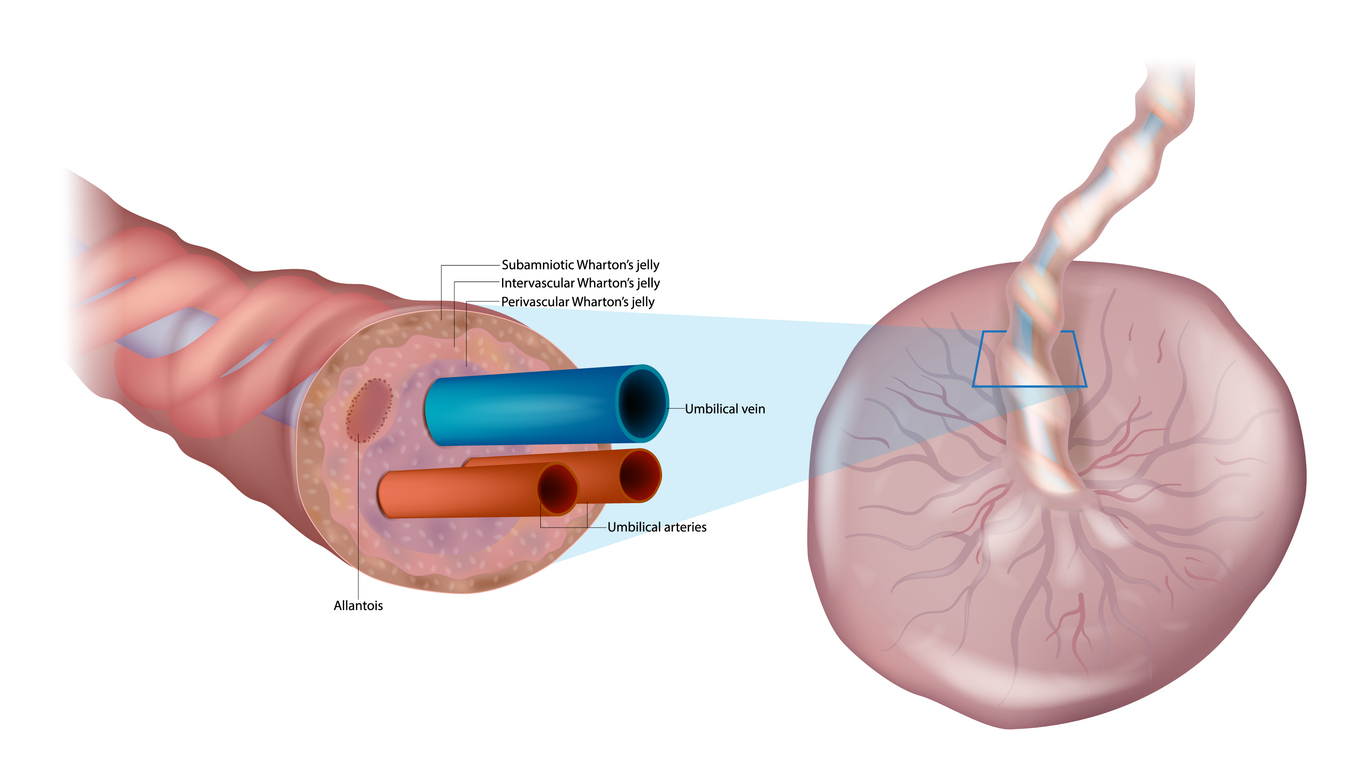
There is growing interest in regenerative medicine approaches, including biologics derived from sources such as Wharton’s Jelly (umbilical cord tissue).
Current research is exploring how these biologic substances may help support the body’s natural healing processes by:
Supporting cellular signaling
Helping regulate inflammation
Improving the environment within the joint
Some early studies suggest potential improvements in:
Pain levels
Mobility
Functional activity
However, it’s important to understand:
These approaches are still being studied
Results can vary from person to person
They are not considered a cure for arthritis or joint degeneration
The goal is not to “regrow” an entirely new joint, but rather to potentially support how the joint functions and responds to stress.
Non-Surgical Knee Pain Treatment in Raynham, MA
For patients in Raynham, Taunton, Bridgewater, and surrounding areas, knee pain is one of the most common reasons people begin searching for care.
Many patients exploring options for knee pain treatment in Raynham, MA are looking for:
Alternatives to surgery
Longer-lasting relief
A better understanding of their condition
A comprehensive evaluation may include:
Joint stability
Degree of structural change
Movement patterns
Functional limitations
From there, treatment recommendations can be tailored based on:
Severity of the condition
Goals and activity level
Response to prior treatments
What Patients Should Consider
If you’re dealing with ongoing knee pain, it may be helpful to ask:
Is this primarily inflammation, structural change, or both?
Why have previous treatments only helped temporarily?
What is the goal of the recommended approach?
Is the focus on symptom relief, function, or both?
Understanding these factors can lead to more realistic expectations—and better long-term decisions.

📞 Take the Next Step
If knee pain is affecting your daily life and you’re trying to understand why it keeps coming back, the first step is a clear evaluation.
If you would like to better understand your symptoms and what options may be appropriate for your situation, you can contact our office to learn more about evaluation and next steps.
📍 Raynham, MA
Important Medical Disclaimer
This content is for educational purposes only and is not intended to diagnose, treat, cure, or prevent any disease.
Regenerative medicine approaches, including biologics, are designed to support the body’s natural healing processes and are not a direct treatment for arthritis or any specific medical condition.
A full medical evaluation is required to determine appropriate care.