Rest in Pieces: The Nighttime Killer No One Warned You About
Rest in Pieces: The Nighttime Killer No One Warned You About
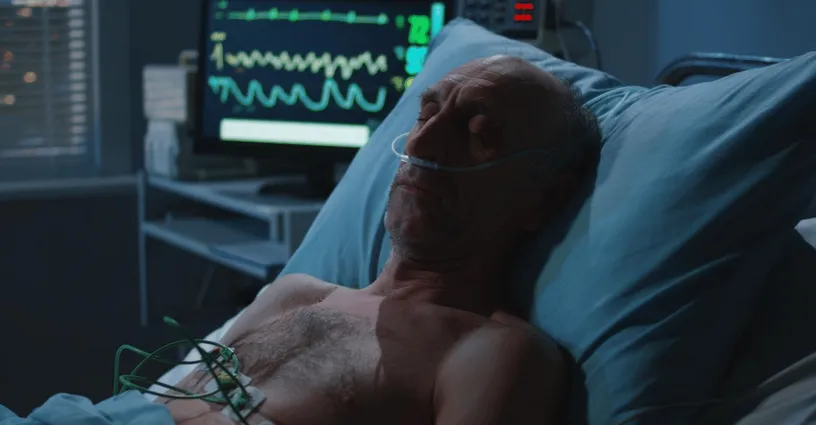
You go to bed expecting rest.
Your body shuts down.
Your brain drifts.
And for millions of people… the danger is just beginning.
Sleep apnea isn’t just about snoring.
It’s not just about being tired.
And it’s not harmless.
For many, the most dangerous hours of the day happen while they’re asleep.
The Deadliest Hours of the Night
Research has revealed a chilling pattern:
People with untreated sleep apnea are far more likely to die between midnight and 6 a.m.
Why?
Because this is when your body enters its deepest sleep cycles—
when breathing slows, muscles relax, and airways collapse.
Each time breathing stops:
Oxygen levels plummet
The heart panics
Blood pressure spikes
The brain jolts the body awake
Over and over.
Night after night.
Until one night… it doesn’t recover.
REM Sleep: When Dreams Turn Dangerous
REM sleep is when you dream.
It’s also when muscle tone drops to its lowest point.
For someone with sleep apnea, this means:
The airway relaxes even more
Obstructions worsen
Breathing pauses last longer
This is when cardiac arrhythmias, heart attacks, and respiratory failure are most likely to strike.
Not while you’re stressed.
Not while you’re exercising.
But while you’re asleep.
Oxygen Starvation: The Silent Trigger
Sleep apnea repeatedly deprives the body of oxygen—sometimes hundreds of times per night.
This constant cycle of oxygen loss and sudden reoxygenation:
Damages blood vessels
Disrupts heart rhythms
Triggers dangerous blood pressure surges
These events don’t always come with warnings.
They often come with fatal consequences.
So What Can You Actually Do About It?
CPAP machines help some people.
Many can’t tolerate them.
Others stop using them altogether.
This is where Cranial Facial Release (CFR) changes the conversation.
How Cranial Facial Release Can Help Save Your Sleep—and Your Life
1. Opens the Airway at the Source
CFR physically expands and opens the nasal passages, reducing obstructions that cause breathing to stop during sleep.
More space = more air = fewer apneas.
2. Keeps Oxygen Flowing
With improved airflow, oxygen levels stay stable throughout the night—reducing the sudden drops that trigger heart and respiratory emergencies.
3. Reduces Cardiovascular Stress
Better oxygenation helps:
Lower blood pressure
Stabilize heart rhythms
Reduce the strain that leads to nighttime cardiac events
4. Lowers the Risk of Nighttime Death
By decreasing the frequency and severity of apneas, CFR helps reduce the risk of:
Sudden cardiac death
Respiratory arrest
Fatal nocturnal events
5. Restores Real, Restorative Sleep
When breathing improves:
Sleep becomes deeper
Recovery improves
Daytime fatigue fades
Focus, energy, and quality of life return
The Hard Truth
Sleep apnea doesn’t just steal your sleep.
It steals your oxygen.
It stresses your heart.
And left untreated… it can steal your life.
Early diagnosis and effective treatment matter more than most people realize.
Don’t Let Nighttime Be the Most Dangerous Part of Your Day
If you suspect sleep apnea—or if snoring, fatigue, or restless sleep have become your “normal”—it’s time to take action.
Cranial Facial Release, may be the breakthrough your body has been waiting for.
You deserve to rest in peace—not in pieces.