Is Your Body Ready for “Stem Cell Therapy”— or Are You Skipping the Most Important Step?
Interest in regenerative medicine in Raynham, MA continues to grow, especially around treatments many patients refer to as “stem cell therapy.”
However, an important question is often overlooked:
Is Stem Cell Therapy Right for You in Raynham, MA?
Is the body actually prepared to respond to these treatments?
Many patients exploring these options are often dealing with ongoing joint or musculoskeletal pain and may first look into joint pain treatment in Raynham, MA before considering more advanced therapies.
Many patients searching for “stem cell therapy near me” are often trying to find solutions for chronic joint or musculoskeletal pain.
Biologic therapies can play a role in musculoskeletal care, but they are not the starting point of good medicine—they are one component of a broader, patient-centered approach.
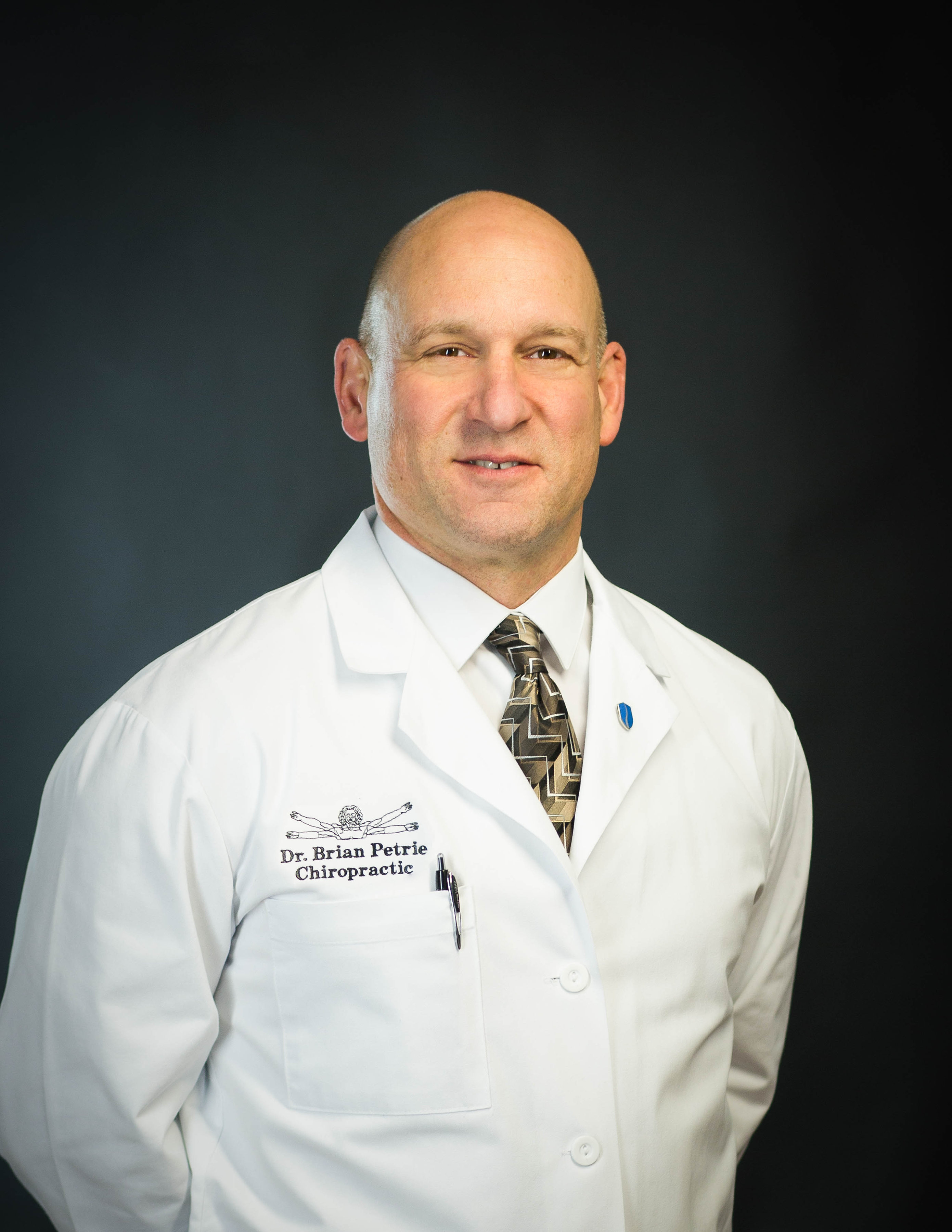
At Regenerative Medicine of Raynham, located in Raynham, Massachusetts, this patient-first philosophy guides how care is delivered.
What Are Biologics? (And What Patients Often Call “Stem Cell Therapy”)
In medical practice, biologics refer to treatments derived from human tissue or cellular components that may support the body’s natural processes.
Patients often recognize these treatments as:
“Stem cell therapy”
“Regenerative injections”
“Natural healing treatments”
While these terms are commonly used, it is important to clarify:
These therapies are not universal solutions
They are used within the practice of medicine, not as standalone cures
Their effectiveness depends heavily on the patient’s overall condition
As highlighted in clinical education, biologics should be applied carefully and within appropriate medical context—not as a replacement for comprehensive care.
Why Patient Health Comes First
A central theme in modern regenerative medicine is that outcomes are influenced by the patient—not just the procedure.
Before considering biologic therapies, it is important to evaluate:
Underlying inflammation
Nutritional and metabolic health
Sleep and recovery patterns
Stress and lifestyle factors
Existing medical conditions
This reflects a foundational principle of medicine:
Understanding how a condition developed is essential before attempting to treat it.
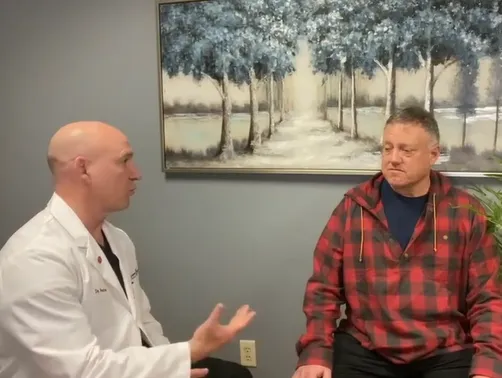
Listening to patients and addressing root causes remains a critical first step in care.
This perspective has also been emphasized by Dr. Scott Martin, an interventional pain physician and long-time medical consultant, who has highlighted the importance of prioritizing patient health and behavior before considering biologic interventions.
The Role of the Body’s Internal Environment
Another key concept is the idea of the healing environment within the body.
In simplified terms:
Some tissues and conditions are more biologically active and capable of repair
Others—due to age, chronic inflammation, or systemic factors—may have reduced regenerative potential
When biologic therapies are introduced into a less favorable environment, results may be limited or unpredictable. In some cases, inflammatory responses may occur instead of meaningful improvement.
Understanding Expectations and Medical Guidelines
There is significant public interest in whether treatments commonly referred to as “stem cell therapy” can:
Regenerate cartilage
Reverse arthritis
Fully repair tissue damage
Current medical and regulatory frameworks emphasize that:
Human cell and tissue products are not approved to diagnose, treat, cure, or prevent disease
These therapies must be used as part of physician-directed care
Clear communication and appropriate expectations are essential
Even the way these therapies are described and applied is considered part of the practice of medicine, not simply the use of a product.
A More Thoughtful Approach to Regenerative Care
A patient-centered approach to regenerative medicine typically includes:
1. Comprehensive evaluation
Understanding the full clinical picture, not just the site of pain
2. Health optimization
Addressing modifiable factors that influence healing
3. Appropriate use of biologics
Considering these therapies when the patient’s condition and goals align
4. Ongoing assessment
Monitoring response and adjusting care as needed
This approach reflects a shift away from procedure-first care toward process-driven, individualized medicine.
Where Biologics May Offer Value
When used in the right context, biologic therapies may play a meaningful role in care.
Emerging research and clinical experience suggest that outcomes may be influenced by:
The quality and condition of the tissue involved
The overall health of the patient
The combination of therapies used
In some settings, combining different supportive approaches—rather than relying on a single intervention—has been associated with more favorable biological responses.
The Takeaway
Regenerative medicine continues to evolve, and biologics remain an area of active interest for both patients and clinicians.
A balanced understanding is essential:
These therapies are not quick fixes
They are not appropriate for every condition
But when used thoughtfully—within a well-prepared patient—they may offer meaningful support to the body’s natural processes
The goal is not simply to apply a treatment, but to create the right conditions for healing—and then use the right tools to support it.
For patients exploring what is often referred to as “stem cell therapy,” understanding these foundational concepts can help guide more informed and realistic expectations.
Serving Patients in Raynham, MA and Surrounding Areas
This approach to regenerative medicine is applied for patients in Raynham, Massachusetts and surrounding communities, including the South Shore and Bristol County area.
Common Questions About Regenerative Medicine
What is “stem cell therapy”?
The term “stem cell therapy” is often used by patients to describe biologic treatments that may support the body’s natural healing processes. In medical practice, these are used as part of a broader care plan—not as standalone cures.
Am I a good candidate for regenerative medicine?
That depends on your overall health, the condition being treated, and your body’s ability to heal. A thorough evaluation is important before considering these therapies.
Why do some patients respond better than others?
Outcomes are influenced by the body’s internal environment, including inflammation, lifestyle factors, and tissue health. This is why preparation and overall health play such a key role.