
The Hidden Problem With GLP-1 Weight Loss Nobody Is Talking About

A Physician Perspective on the Conversations Many People Are Not Having
One of the most important conversations surrounding GLP-1 medications is also one of the least discussed.
While many patients focus on rapid weight reduction, fewer people realize that a significant percentage of that weight loss may come from lean muscle tissue and bone density rather than body fat alone.
Emerging discussions within metabolic and wellness medicine suggest that as much as 40% of rapid weight reduction may involve a combination of muscle and bone loss rather than fat alone.
That distinction matters.
Because while many individuals may initially lose weight successfully on GLP-1 medications, the long-term metabolic consequences of losing muscle mass and bone density are often overlooked and significantly more difficult to fully recover once lost.
The Bigger Concern Is What Happens After Stopping GLP-1 Therapy
One of the major concerns surrounding rapid weight reduction is not simply whether patients regain weight.
The larger issue is what type of tissue is regained after discontinuing these medications.
Many individuals who stop GLP-1 therapies eventually regain a substantial portion of the lost weight within 12–18 months, particularly if the underlying lifestyle patterns contributing to weight gain have not changed.
However, muscle mass and bone density are often significantly more difficult to rebuild once lost.
This creates a potentially important long-term concern:
reduced metabolic efficiency
declining strength
lower mobility
increased frailty
sarcopenia (age-related muscle loss and decline in muscle function)
reduced bone density
increased fracture risk
These are conversations that deserve significantly more attention as GLP-1 therapies continue to grow in popularity.
Why Muscle Mass Matters
Muscle tissue is not simply cosmetic.
Healthy muscle mass plays a central role in:
metabolic function
glucose regulation
insulin sensitivity
mobility and balance
recovery capacity
healthy aging
long-term resilience
As individuals age, preserving lean muscle tissue becomes increasingly important for maintaining independence, stability, and overall physiological function.
When muscle mass declines rapidly, the body often becomes more vulnerable to:
weakness
fatigue
reduced recovery capacity
metabolic slowdown
injury risk
This is one reason why resistance training, adequate protein intake, movement, and recovery support are becoming increasingly important parts of the discussion surrounding long-term metabolic health.
Bone Density Is Often Overlooked
Bone health is another area that deserves more attention within the GLP-1 conversation.
Bone tissue is highly influenced by:
movement
resistance loading
hormonal signaling
nutrient availability
overall metabolic health
When rapid weight reduction occurs without strategies focused on preserving musculoskeletal health, the long-term effects on bone density may become increasingly important over time.
This is particularly relevant as patients age, since reduced bone density may increase the likelihood of:
fractures
instability
falls
long-term mobility limitations
The goal should not simply be weight reduction alone.
The broader goal should be maintaining:
strength
resilience
metabolic health
long-term functionality
quality of life
Advanced Recovery & Wellness Support
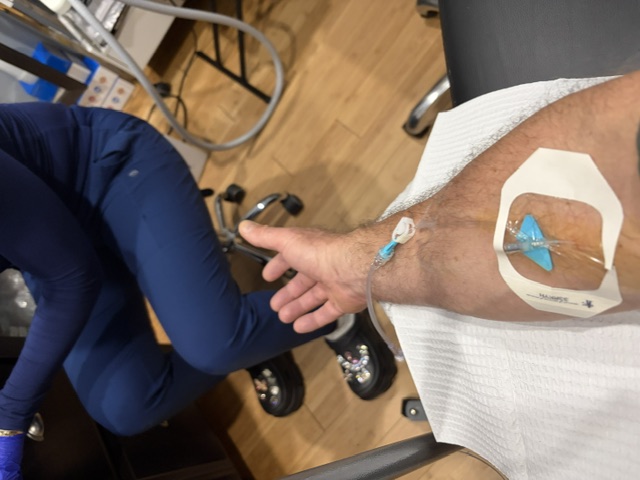
Within functional and regenerative medicine, there is increasing interest in supporting the body more comprehensively during periods of metabolic change and recovery.
This may include focusing on:
hydration
nutrient optimization
protein intake
resistance training
sleep quality
inflammation management
recovery support
metabolic resilience
Advanced IV infusion therapies are sometimes incorporated into broader wellness and recovery strategies designed to help support cellular health, hydration, and nutrient delivery.
The goal is not simply short-term weight reduction but helping support long-term physiological resilience and recovery capacity.
A More Complete Wellness Conversation
One of the most important shifts happening in medicine today is the movement away from isolated symptom management and toward a broader understanding of long-term metabolic health.
Patients are increasingly asking:
How do I preserve muscle mass?
How do I support healthy aging?
How do I improve recovery?
How do I maintain strength long term?
How do I support metabolic health sustainably?
These are important questions.
Because long-term health is rarely about a single intervention alone.
It is usually the combination of:
lifestyle habits
movement
recovery
nutrition
sleep
metabolic health
physiological resilience
that ultimately determines long-term outcomes.
Final Thoughts
As the conversation surrounding GLP-1 therapies continues to evolve, it is becoming increasingly important to focus not only on weight reduction, but also on preserving strength, mobility, metabolic health, and long-term physiological resilience.
Long-term wellness is rarely determined by weight alone. The quality of muscle tissue, bone health, recovery capacity, movement, nutrition, and sustained lifestyle habits may ultimately play a much larger role in long-term health outcomes and quality of life.
Additional educational resources related to regenerative medicine, metabolic health, recovery physiology, and wellness optimization can be found through Regenerative Medicine of Raynham.